
Sell My Laundromat Video
What your machines, your lease, and your water bill tell a buyer before you say a word
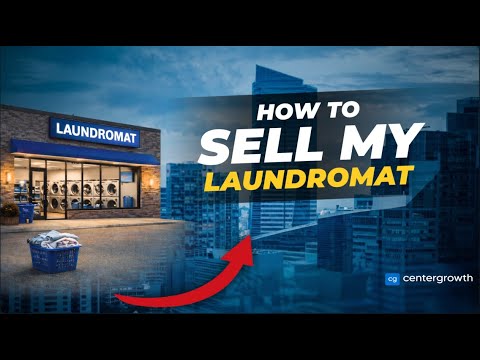
A laundromat is one of the few businesses a buyer can size up in twenty minutes with a flashlight and a utility bill. That cuts both ways. If your store is tight, your equipment is mid-life, and your lease has years left on it, you will get offers. If your washers are fifteen years old and your landlord will not talk about an extension, buyers will figure that out fast and price it in. I put together a short sell my laundromat video that walks through how these stores actually get valued and sold, and this article expands on the points that matter most when you sit down across from a serious buyer.
How Much Is My Laundromat Worth on Today's Market?
The lease comes first, always
Nothing kills a laundromat deal faster than a weak lease. Your plumbing, your drains, your gas lines, your electrical service, all of it is buried in that building. A buyer cannot pick up the store and move it, so the lease is the business. Five years plus options is the floor most buyers and lenders want to see. Ten years of total control is where you start getting full price.
If your lease is short, go talk to your landlord before you list, not after. A landlord who knows a sale is coming will often sign an extension or agree to assign the lease with fresh options, because a funded new tenant is better than an empty box with 200 amps and a floor full of drain lines nobody else can use.
Machine age drives the multiple
Commercial washers last roughly fifteen to twenty years, dryers a bit longer. A buyer looking at a wall of ten-year-old front loaders is not buying your cash flow alone. He is buying a re-equip bill that can run several hundred thousand dollars in a mid-size store. Smart buyers subtract that future cost from the price, whether you like it or not.
If you want background on how the industry is put together before you talk to buyers, the Wikipedia entry on self-service laundries is a quick, neutral primer.
Keep your serial numbers, purchase invoices, and service records in a folder. A store with documented seven-year-old Dexters or Speed Queens and a clean maintenance log sells for a real premium over an identical store where the seller shrugs and says the machines are "pretty new."
Coin, card, or hybrid payment systems
Card and app-based payment systems changed this trade. They give buyers something coin stores never could: a report. Every cycle, every machine, every day, time-stamped and exportable. That data lets a buyer verify revenue without sitting in your parking lot counting customers, and verified revenue is worth more than claimed revenue every single time.
If you are still all coin, you can absolutely sell, but expect the buyer to lean hard on your utility bills to back into revenue. Water and sewer consumption maps closely to turns per day. If your stated income does not line up with your water usage, the conversation gets uncomfortable.
Wash-and-fold and other service income
Wash-and-fold, commercial accounts, and pickup and delivery routes are the growth story in this business. A store doing meaningful drop-off volume with a couple of trained attendants and a scale at the counter has revenue that self-service stores cannot touch. Document it separately. Show pounds per week, price per pound, and labor cost against it.
Some buyers want a pure unattended store and will discount labor-heavy income. Others, especially those building delivery brands, will pay up for it. Knowing which buyer you are talking to changes how you present the store.
Utilities are the number buyers check twice
Gas, water, and sewer typically eat 15 to 25 percent of revenue in a laundromat. Buyers pull your actual utility bills for the trailing twelve months, and they should. Those bills verify your volume and expose your margins at the same time. If you replaced dryers with high-efficiency units or added a water reuse system, show the before-and-after bills. Real, documented savings drop straight to the bottom line, and every documented dollar of cash flow gets multiplied in the sale price.
Who buys laundromats and how they pay
Your buyer pool is wider than most owners think. First-time buyers love laundromats because the model is simple and semi-absentee. Existing operators buy second and third stores for route efficiency. Immigrant family buyers are a strong and serious segment in many markets. Most deals get done with SBA financing or seller financing, and a store with clean books, a long lease, and card system reports is far easier to lend against. If you want SBA money chasing your store, your tax returns need to show the income. Cash you skimmed never counts in your favor at the closing table.
Getting the store ready to show
Buyers judge a laundromat with their eyes and their nose before they ever open your books. Fix the out-of-order machines or pull them off the floor. Replace the burned-out lamps, paint the folding tables, clean the lint from every dryer, and power wash the entry. A bright, dry, working store signals a well-run business. Then assemble the package: three years of tax returns, twelve months of utility bills, the lease and all amendments, equipment list with ages, and payment system reports if you have them.
Selling a laundromat well is mostly preparation. The owners who get top dollar fixed the lease early, documented the machines, and let the utility bills and card reports do the talking. The ones who got hammered on price walked in with a short lease and a shoebox of receipts. If you are within a year or two of selling, start now, and watch the sell my laundromat video for the full rundown on pricing, buyer types, and how these deals actually close.
FAQ About the Sell My Laundromat Video
What does the laundromat video cover?
The video runs about 5 minutes and covers how buyers look at a laundromat, the factors that move valuation up or down, and the preparation that protects your price. The guide above walks the same ground in more depth.
How long is the How to Sell a Laundromat video?
About 5 minutes. It is built to be watched in one sitting, and each section of the video has a matching topic covered on this page.
Is the laundromat video free to watch?
Yes. It is embedded at the top of this page and also available directly on YouTube, with no signup or payment involved.
More video guides by industry
This page is part of our Business Broker Video Directory, where video walkthroughs on selling other types of businesses are organized by industry. If you own a different kind of company, start there to find the guide that matches your niche.